Medication Management: How It Supports Treatment Plans
Medication Management: How It Supports Treatment Plans
Explained by Stephanie Taylor | PMHNP, AGPCNP
In psychiatric care, medication management extends far beyond simply writing a prescription; it requires a deep understanding of the whole patient to foster true remission and enhance their overall quality of life. While pharmaceutical intervention can help stabilize the biological aspects of mental illness, it remains just one small piece of a much larger therapeutic puzzle. The true foundation of lasting recovery lies in the surrounding framework, comprehensive medical history reviews that catch underlying triggers, psychoeducation that empowers self-advocacy, and the therapeutic alliance built through genuine validation and affirmation. By combining targeted medication with active psychotherapy and empathetic care, providers address both the physiological symptoms and the human experience, guiding patients toward a meaningful, fulfilling life rather than mere symptom management.
What is Medication Management?
Medication management in psychiatry is a patient-centered clinical practice that involves the continuous evaluation, prescription, monitoring, and optimization of psychotropic medications to treat mental health conditions. Far more than just writing prescriptions, it requires psychiatric providers to conduct thorough medical histories, carefully weigh benefits against potential side effects, monitor for drug interactions, and adjust dosages over time to ensure both safety and effectiveness. Crucially, successful medication management operates as part of a holistic framework; it pairs pharmacotherapy with psychoeducation, lifestyle modifications, and psychotherapy to help patients achieve symptom remission, maintain long-term stability, and meaningfully improve their overall quality of life.
What conditions are treated with medication management?
Medication management in psychiatry covers a broad spectrum of mental, behavioral, and neurodevelopmental conditions.
Mood Disorders
Major Depressive Disorder (MDD): Managed with antidepressants (SSRIs, SNRIs, atypical antidepressants) to target persistent sadness, low energy, and loss of interest.
Bipolar Spectrum Disorders: Uses mood stabilizers (like lithium or valproate) and second-generation antipsychotics to control manic episodes, prevent severe mood swings, and manage depressive phases.
Anxiety & Trauma-Related Disorders
Generalized Anxiety Disorder (GAD) & Panic Disorder: Managed using daily SSRIs/SNRIs for underlying prevention and short-term, targeted medications for acute panic or physical anxiety symptoms.
Post-Traumatic Stress Disorder (PTSD): Utilizes medications to reduce hyperarousal, intrusive thoughts, and trauma-related sleep disturbances or nightmares (e.g., prazosin).
Obsessive-Compulsive Disorder (OCD): Requires high-dose SSRIs or specific tricyclic antidepressants to lessen the intensity of intrusive thoughts and compulsions.
Psychotic & Complex Neurobiological Disorders
Schizophrenia & Schizoaffective Disorder: Managed primarily with first- and second-generation antipsychotics to address delusions, hallucinations, and disorganized thinking.
Neurodevelopmental & Behavioral Conditions
Attention-Deficit/Hyperactivity Disorder (ADHD): Managed using stimulants (methylphenidate, amphetamines) or non-stimulants (atomoxetine, guanfacine) to improve executive dysfunction, impulse control, and focus.
Why is it so important?
Medication management is vital in psychiatry because psychotropic drugs directly target complex brain chemistry, where minor adjustments can mean the difference between severe side effects and true symptom relief. Through ongoing evaluation, dosage fine-tuning, and side-effect monitoring, a structured management plan ensures that medications remain safe and effective for the individual over time. Beyond simply stabilizing symptoms, effective medication management creates the neurological foundation necessary for patients to engage meaningfully in therapy, process life challenges, and achieve long-term recovery.
What is measured and monitored?
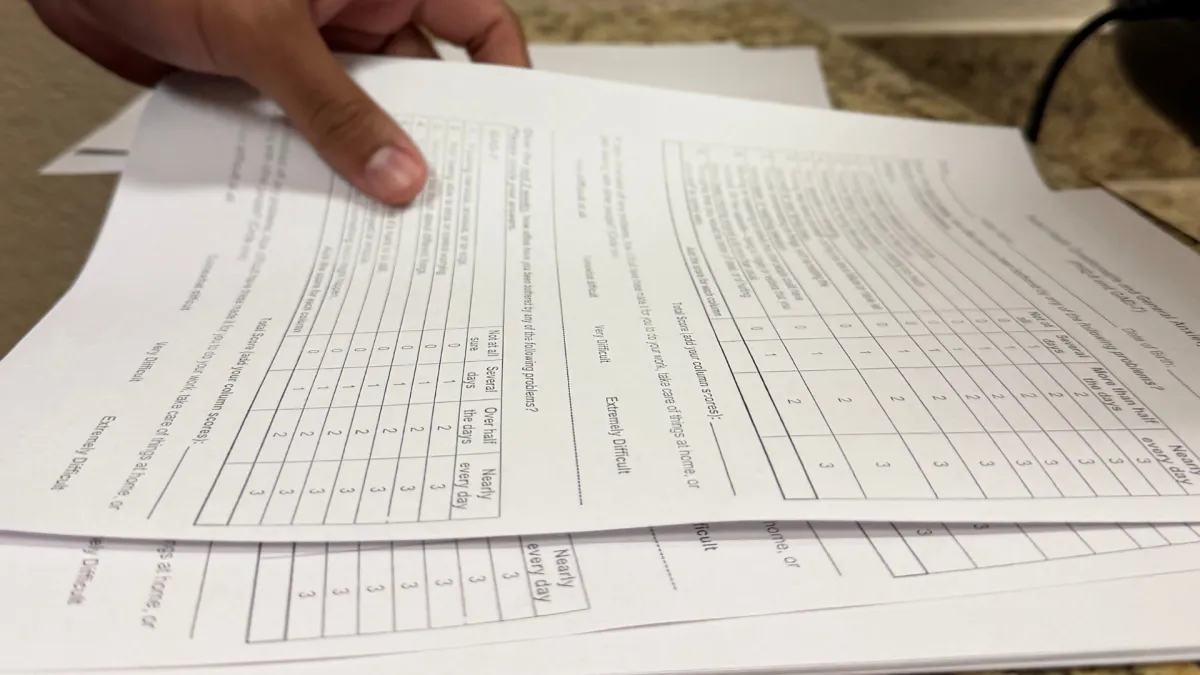
In psychiatric medication management, providers systematically track three distinct categories: symptom reduction, physical health markers, and functional quality of life. Symptom progress is evaluated using clinical observations and standardized rating scales to assess target issues like mood stability, anxiety levels, focus, and sleep patterns. Physical safety monitoring includes tracking vital signs, body weight, metabolic markers (such as blood glucose and lipid panels), organ function (liver and kidney), and therapeutic blood levels to prevent toxicity or medical complications. Finally, clinicians monitor side-effect tolerance and overall day-to-day functioning, such as work performance, social engagement, and treatment adherence. This ensures the regimen meaningfully improves the patient's experience without causing disruptive burdens.
Communication with Your Provider
Successful medication management undergoes the discussion of several topics with your provider including: concerns, side effects, changes in lifestyle, patterns and behaviors, etc.
Example:
Current Symptoms
Your understanding of how the main symptoms are progressing
New Life Stressors
Changes in your Medical or Psychiatric History since the last visit
Side Effects to Medications
Open Conversation about Your Adherence to the Medication Regimen
Any new medications from other Providers
Changes in Substance Use
Specific Concerns about the Medication or Therapy Regimen
When should I consider medication management?
1. Persistent or worsening symptoms: Deep sadness, extreme mood swings, or constant anxiety that lasts for weeks and does not improve with self-care or lifestyle changes.
2. Impaired daily functioning: Severe difficulty managing work, school, basic home tasks, or personal hygiene due to low energy, brain fog, or emotional distress.
3. A plateau in therapy: Feeling unable to engage with or benefit from psychotherapy because underlying emotional or biological distress is too intense.
4. Severe physical manifestations: Persistent insomnia, major changes in appetite, or frequent, overwhelming panic attacks that disrupt daily life.
5. Executive dysfunction or hyperarousal: Unmanageable difficulty with focus, organization, impulsivity, or feeling constantly on edge/hypervigilant.
6. Distorted perceptions: Experiencing hallucinations, severe paranoia, delusions, or feeling completely detached from reality.
Medication management follows the individualization of psychiatric care. It does not operate as a template for every patient, as it is an ongoing, collaborative process that requires each patient’s needs, goals, circumstances, and reviews their previous medical history. At its core, medication management works to aid a treatment plan created with your provider to provide a piece to the foundation working to create lasting stability and meaningful recovery.
PLEASE NOTE: The information provided in this blog is intended for educational and informational purposes only and should not be considered medical advice, diagnosis, or treatment. Reading this content does not establish a provider-patient relationship with our practice. Mental health experiences and symptoms can vary from person to person, and it is important to consult with a qualified healthcare provider or mental health professional regarding your individual concerns, symptoms, or treatment options. Do not disregard professional medical advice or delay seeking care based on information found in this article. If you are experiencing a mental health emergency or crisis, contact 911, your local emergency services, or the 988 Suicide & Crisis Lifeline immediately.