Transcranial Magnetic Stimulation (TMS): What Is It and How Does It Work?
Transcranial Magnetic Stimulation (TMS): What Is It and How Does It Work?
Mental health treatment is not one-size-fits-all, as every individual’s journey and needs are unique. While traditional approaches such as therapy and medication can be highly beneficial, there are times when symptoms may continue to persist despite ongoing care and support. In these situations, some individuals may begin exploring additional treatment approaches through what is known as interventional psychiatry.
Interventional psychiatry takes a deeper approach to care, working to identify underlying factors and develop effective solutions for treatment resistance. One form of interventional psychiatry is known as Transcranial Magnetic Stimulation, or TMS. But what exactly is TMS, and how can it support individuals seeking alternative approaches to mental health treatment?
What is Transcranial Magnetic Stimulation (TMS)?
TMS is an FDA-approved, non-invasive form of treatment used to ease symptoms within mental health conditions, such as depression and anxiety. TMS is used when individuals have not found relief in other forms of treatment, like counseling and medication management, and need to find an additional level of support.
But, why may other options be needed? ⅓ of individuals who are undergoing treatment for mental health concerns do not find relief with medication alone. It can be a potential for what is known as ‘Treatment Resistant Depression’. This has been a big reason why the demand for additional treatment options that can provide patients with alternative paths for support has risen.
TMS is part of ongoing advancements within mental health treatment, offering new possibilities for individuals who have not found relief through traditional approaches. TMS helps provide a new foundation for patients who have been stuck in a constant cycle of trial-and-error.
How does it work?
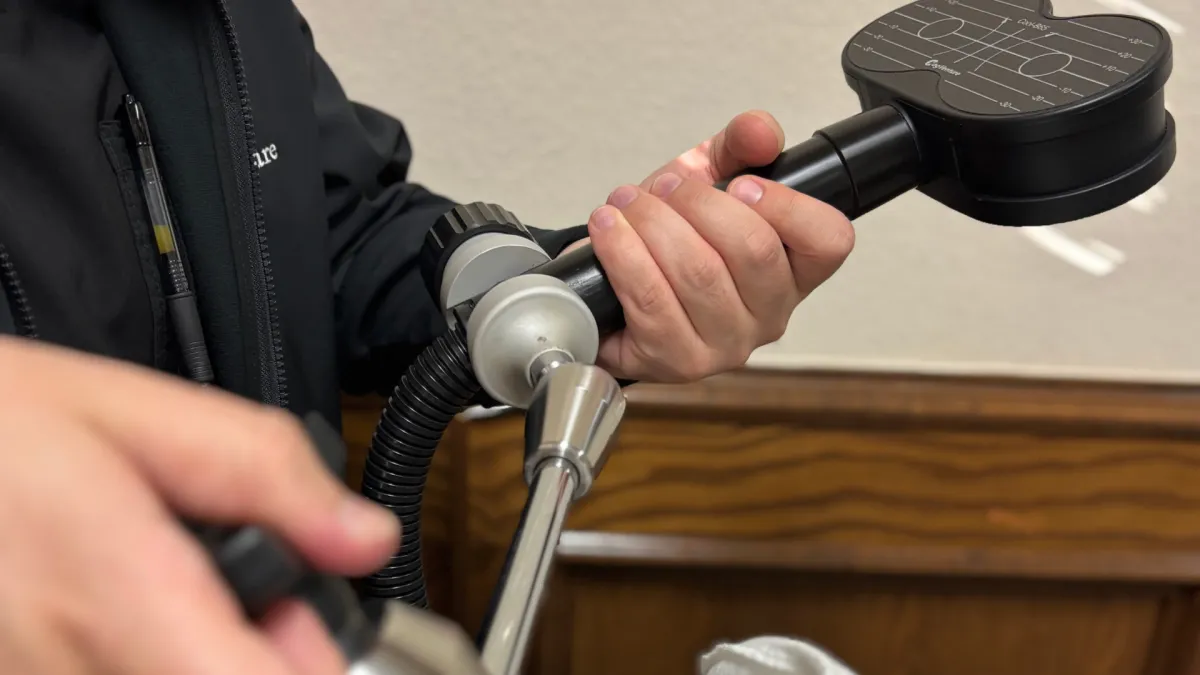
So, how does it work exactly? TMS uses magnetic fields to stimulate targeted areas of the brain that are associated with mood regulation. This is delivered through a magnetic coil that is placed on the head at a designated region.
During treatment, the individual is resting in the treatment chair, while being fully awake and alert. The treatment chair is padded and designed to provide patients with relaxation while they are receiving treatment. TMS does not require you to be asleep as it does not use any form of sedative or anesthesia. While the session is taking place, a TMS technician is monitoring the process and ensuring everything is running smoothly. As the coil delivers the magnetic stimulation, the patient will experience light tapping on the region. This tapping has been described as a “little tickling” or a “light buzzing sensation” on the side of the head. While many have reported no pain, it can cause a slight discomfort to some and ease as treatment progresses.
Once treatment is completed, patients are able to resume their daily activities. Whether you are running errands or returning to work, TMS does not require any post down time after the session is completed. Some patients may find discomfort during treatment and may choose to rest afterward to rest before continuing their day.
Over the course of 7-8 weeks, sessions are held in varying frequency. For a total of ~36 sessions, each session ranges on average from 15-30 minutes.
What TMS isn’t…
TMS is not Electroconvulsive therapy (ECT). This is a common misconception made about the style of treatment. While ECT and TMS are both used for Treatment Resistant Depression, they vary in the method of delivery.
Electroconvulsive Therapy uses electrical currents on the targeted area to induce a controlled seizure at the time of treatment. During the treatment process, general anesthesia is used to put the patient to sleep. ECT utilizes monitoring devices such as Electrocardiogram (ECG) and Electroencephalogram (EEG) to ensure heart rate and brain wave activity are maintained during the treatment.
ECT is done to help reduce and manage the symptoms associated with the mental health condition. TMS on the other hand utilizes the magnetic stimulation in association with mood regulation, but does not cause a controlled seizure.
Hear one patient’s TMS journey:
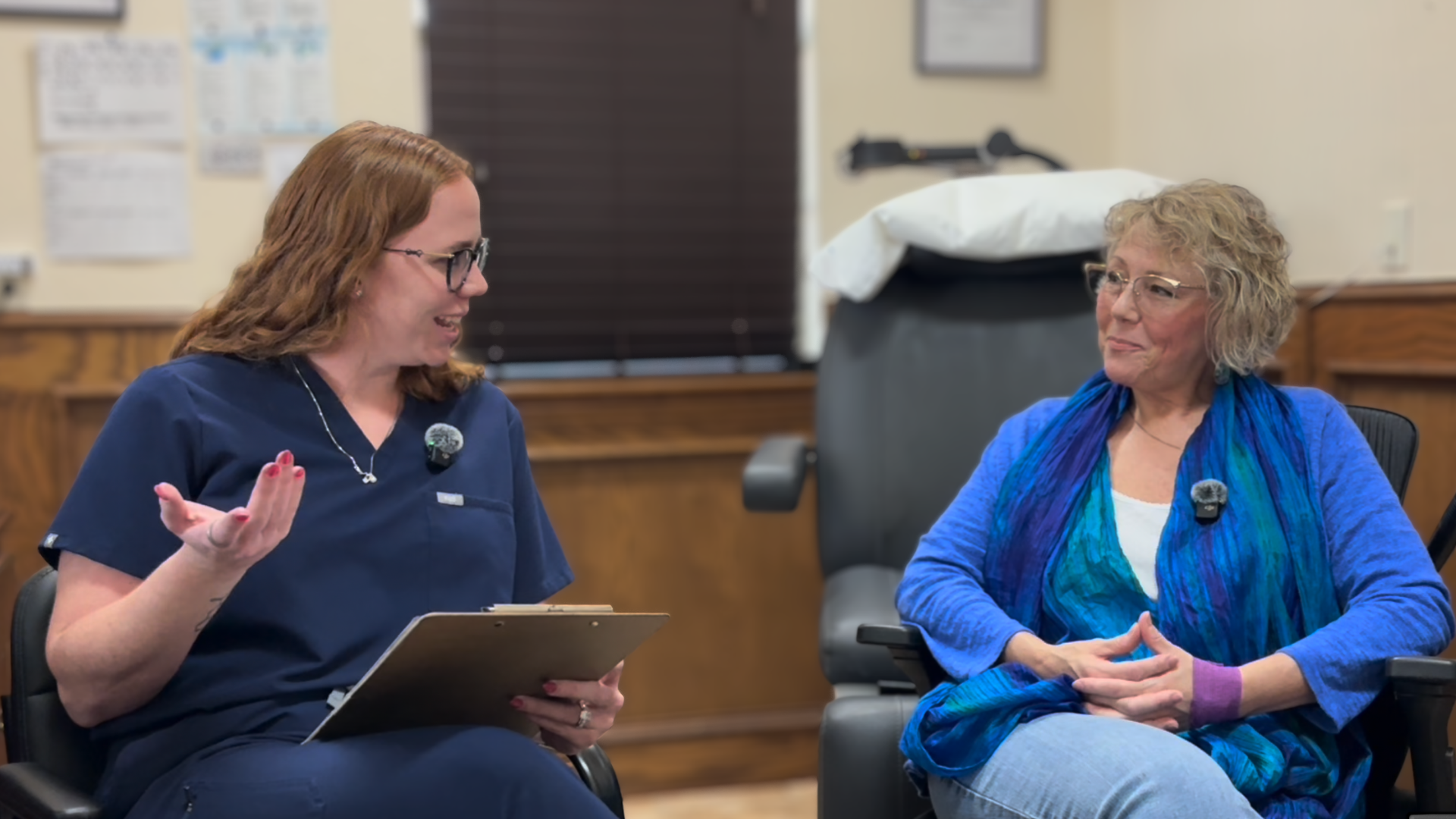
After completion of her TMS treatment with us at MD TruCare, we had the honor of hearing about Kara's experience and the impact the journey had on her life. When asked, “Are there any notable improvements that you’d like to note or you would like to tell someone that really stood out to you?” Kara smiled. “I have been on anti-depressants for 35 years and the results I got from TMS were life-changing. I didn’t even dare hope for this good of a result.”, she stated.
Want to hear the rest of Kara’s story? Watch her full TMS testimonial on our YouTube channel.
For patients like Kara at MD TruCare, TMS has become an alternative path toward hope and healing. Patients have reported improvements in depressive symptoms along with an overall reduction in anxiety. They have also expressed being able to re-engage in meaningful routines and activities that depression once made difficult, contributing to a better quality of life.
If you have Treatment Resistant Depression or have not found success in the trial of many mental health treatments before, talk to a professional healthcare provider about Transcranial Magnetic Stimulation for more information. Discussing your personal history and treatment eligibility with a provider can help determine if TMS is right for you.
PLEASE NOTE: The information provided in this blog is intended for educational and informational purposes only and should not be considered medical advice, diagnosis, or treatment. Reading this content does not establish a provider-patient relationship with our practice. Mental health experiences and symptoms can vary from person to person, and it is important to consult with a qualified healthcare provider or mental health professional regarding your individual concerns, symptoms, or treatment options. Do not disregard professional medical advice or delay seeking care based on information found in this article. If you are experiencing a mental health emergency or crisis, contact 911, your local emergency services, or the 988 Suicide & Crisis Lifeline immediately.
References:
https://www.mayoclinic.org/tests-procedures/electroconvulsive-therapy/about/pac-20393894
https://healthcare.utah.edu/hmhi/treatments/transcranial-magnetic-stimulation